


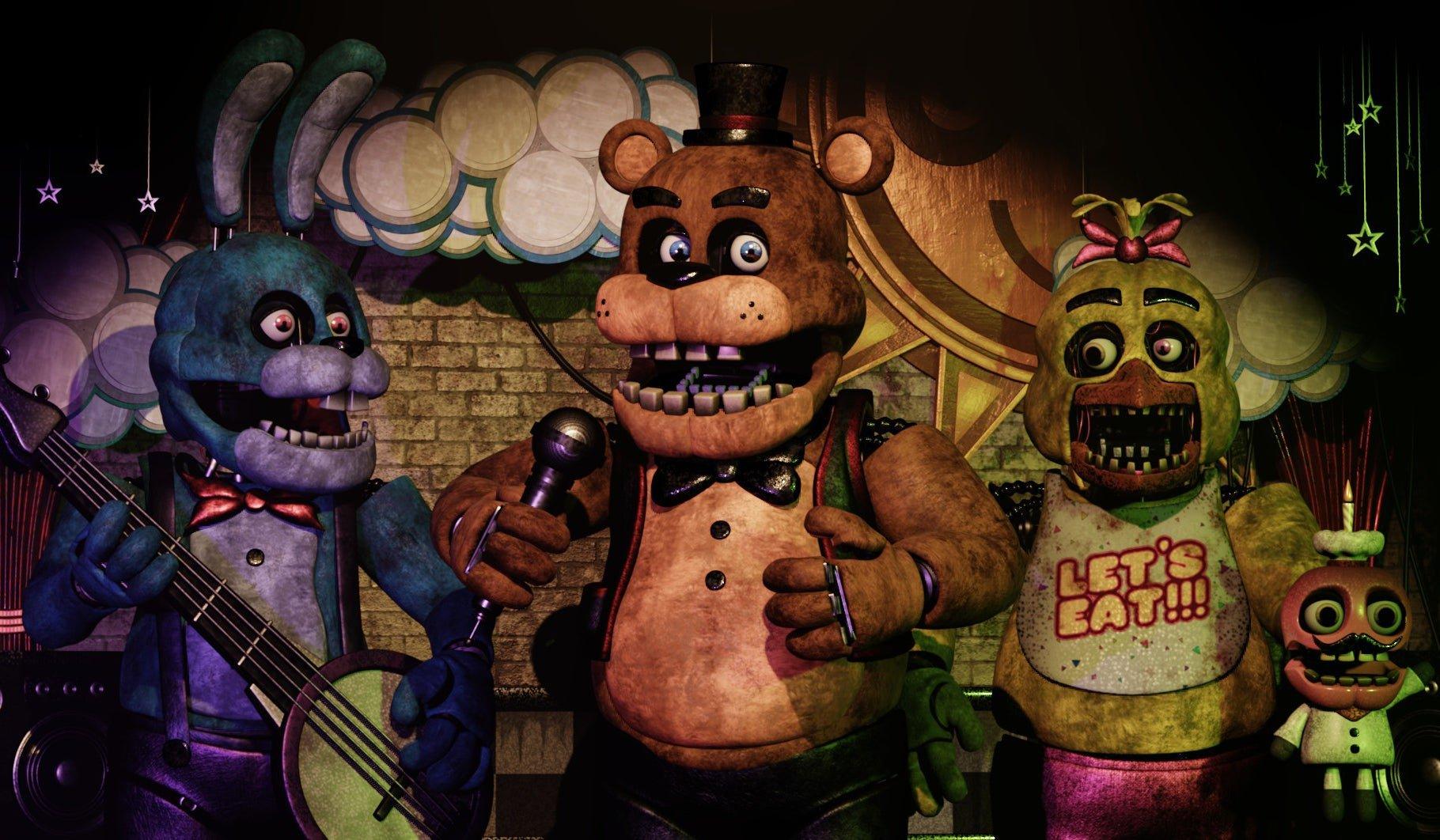
Store management games can be surprisingly addictive. They often blend strategy, resource management, and a healthy dose of anxiety. But what if your store… fought back? That’s the terrifying genius of Five Nights At Freddy's and other games that subvert the genre in wildly creative ways. While you're looking for some thrills, you can play the original Five Nights At Freddy's here.
This article isn't about being a seasoned pro or showing off our high scores. Instead, it's a friendly guide to help you appreciate the tense, strategic gameplay found in games like Five Nights At Freddy's, and maybe even see it as a warped, but ultimately fascinating, take on store management. We'll break down the gameplay, offer some tips, and explore why these games are so engaging.
Introduction: More Than Just Jump Scares
At its core, Five Nights At Freddy's isn't just a horror game relying on cheap scares. It's a resource management puzzle wrapped in a terrifying theme. You're essentially a security guard, managing limited power resources to protect yourself from rogue animatronics. Think of the power as your budget, the cameras as your inventory management system, and the doors as your loss prevention measures... only instead of shoplifters, you're dealing with murderous robots.
The brilliance lies in the limitations. You can't freely move around, you can't fight back directly, and you have a finite amount of power. This forces you to prioritize, strategize, and make tough decisions under pressure. Sounds familiar to any store manager dealing with staffing shortages and tight budgets, right? Okay, maybe not exactly, but the underlying principles are surprisingly similar.
Gameplay: Juggling Resources Under Pressure
The gameplay of Five Nights At Freddy's, and many similar games, revolves around several key elements:
Limited Resources: In FNaF, your primary resource is power. Every action – checking cameras, closing doors, turning on lights – drains your power supply. Run out of power, and you're vulnerable to the animatronics. This forces you to be conservative and prioritize which areas to monitor. This is akin to managing a limited budget for staffing, security, and inventory in a real-world store.
Strategic Observation: Cameras are your lifeline. They allow you to monitor the animatronics' movements and anticipate their attacks. Knowing where each animatronic is located and its movement patterns is crucial for survival. This is like knowing your store layout, understanding customer flow, and being aware of potential security threats.
Defensive Actions: Doors and lights are your primary defense mechanisms. Closing the doors prevents animatronics from entering your office, but drains power. Using lights reveals animatronics lurking in the hallways, allowing you to react quickly. It's a balancing act of when to defend and when to conserve power, much like balancing security measures with customer experience.
Time Management: Each night is a set length, and your goal is to survive until 6 AM. Time progresses realistically, forcing you to maintain constant vigilance and manage your resources effectively until the shift ends. This mirrors the challenges of managing a store during peak hours, ensuring everything runs smoothly until closing time.
Learning and Adaptation: The animatronics' behavior becomes more unpredictable each night. You need to learn their patterns, adapt your strategy, and anticipate their movements to survive. This is analogous to adapting to changing market trends, customer demands, and unforeseen challenges in store management.
Tips for Surviving the Night Shift (and Appreciating the Game)
Conserve Power: This is the golden rule. Avoid unnecessary camera checks and only use the doors when absolutely necessary. Learn the animatronics' movement patterns so you can anticipate their attacks and minimize power consumption.
Prioritize Threats: Some animatronics are more aggressive than others. Identify the biggest threats and focus your attention on monitoring their movements.
Listen Carefully: Audio cues are crucial. Listen for footsteps, breathing, and other sounds that indicate an animatronic is nearby.
Learn the Patterns: Each animatronic has a specific movement pattern. Learning these patterns will allow you to anticipate their attacks and react accordingly.
Don't Panic!: It's easy to get overwhelmed, but panicking will only lead to mistakes. Stay calm, focus on your strategy, and make rational decisions.
Appreciate the Design: Beyond the scares, appreciate the clever game design. The limitations force you to think strategically and make tough choices, creating a tense and rewarding experience. Consider the sound design, the subtle clues in the environment, and the overall atmosphere that contributes to the game's effectiveness.
Conclusion: Store Management, But Spookier
Five Nights At Freddy's and similar games offer a unique and terrifying twist on the store management genre. While the setting and characters are fantastical, the underlying gameplay mechanics involve strategic resource management, risk assessment, and problem-solving under pressure.
So, the next time you play Five Nights At Freddy's, try thinking of it as a particularly stressful day at the office. Instead of dealing with disgruntled customers, you're dealing with killer robots. Instead of managing inventory, you're managing power. But the core principles of strategic thinking and resource management remain the same. And who knows, maybe surviving the night shift at Freddy Fazbear's Pizza will prepare you for anything retail throws your way! Ultimately, it's a fun, albeit terrifying, way to test your management skills and appreciate the ingenuity of game developers who can transform a simple concept into a nerve-wracking experience.

 English
 Arabic
 French
 Spanish
 Portuguese
 Deutsch
 Turkish
 Dutch
Dutch
 Italiano
 Russian
 Portuguese (Brazil)
 Tiếng Việt